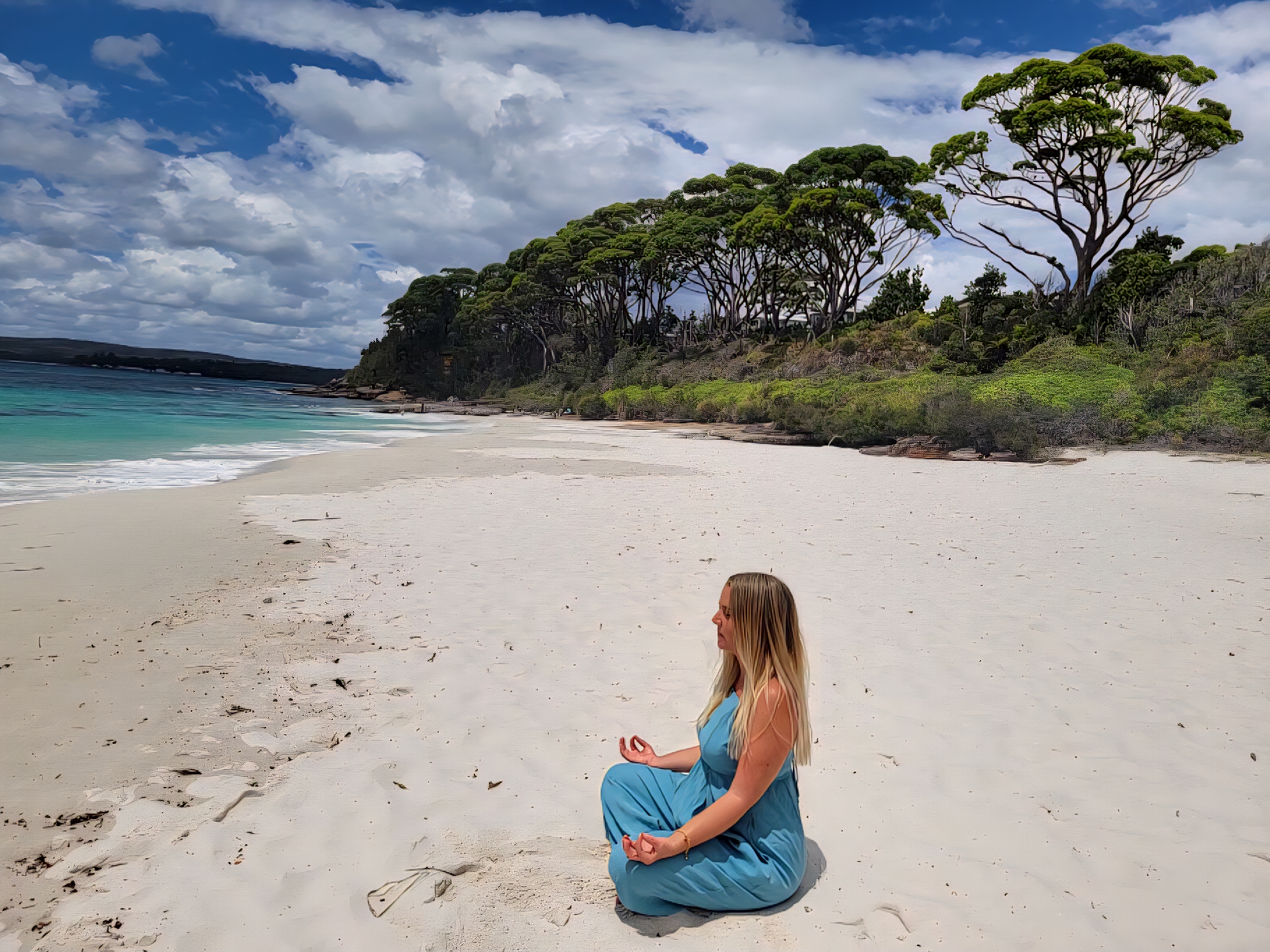
The Power of Mindfulness: Finding Peace in a Busy World
In today’s fast-paced world, our minds are constantly racing thinking about the next task, worrying about the future, or replaying the past. We live on autopilot, rarely pausing to fully experience the present moment. This is where mindfulness becomes not just helpful, but essential.
What Is Mindfulness?
Mindfulness is the practice of being fully present and aware of where you are and what you’re doing without judgment. It means observing your thoughts, emotions, and sensations as they arise, rather than reacting automatically.
It’s not about stopping your thoughts or achieving a perfectly calm mind. Instead, it’s about noticing what’s happening inside and around you with curiosity and acceptance.
Why Mindfulness Matters
Research has shown that practicing mindfulness regularly can improve both mental and physical well-being. Some of the key benefits include:
1. Reduced Stress
Mindfulness helps calm the nervous system and reduces the body’s stress response. By focusing on the present moment, you interrupt cycles of worry and overthinking.
2. Improved Emotional Regulation
When you become aware of your emotions without immediately reacting, you create space to respond thoughtfully instead of impulsively.
3. Better Focus and Productivity
Training your mind to stay present improves concentration and cognitive performance, making you more efficient in daily tasks.
4. Enhanced Relationships
Being fully present during conversations strengthens connection, empathy, and understanding.
5. Greater Overall Well-Being
Mindfulness encourages gratitude and appreciation for simple moments, leading to increased life satisfaction.
Simple Ways to Practice Mindfulness
You don’t need hours of meditation to practice mindfulness. Small daily habits can make a big difference.
1. Mindful Breathing
Take 2–5 minutes to focus on your breath. Notice the sensation of air entering and leaving your body. When your mind wanders, gently bring it back to your breath.
2. Body Scan
Close your eyes and mentally scan your body from head to toe. Notice areas of tension or comfort without trying to change anything.
3. Mindful Eating
Slow down during meals. Notice the texture, flavor, and aroma of your food. Avoid distractions like phones or TV.
4. Single-Tasking
Instead of multitasking, focus on one activity at a time. Give it your full attention.
5. Gratitude Pause
At the end of each day, reflect on three small things you’re grateful for.
Overcoming Common Misconceptions
Many people believe mindfulness requires sitting cross-legged for long periods or “emptying” the mind. In reality, mindfulness is about awareness, not perfection. It can be practiced anywhere while walking, working, or even washing dishes.
It’s also normal for the mind to wander. The practice is gently bringing your focus back again and again.
Making Mindfulness a Lifestyle
Mindfulness is not a quick fix. It’s a skill that develops with consistent practice. Start small just a few minutes a day and build from there. Over time, you may notice a shift in how you respond to stress, interact with others, and experience everyday life.
In a world that constantly demands more, mindfulness invites you to slow down. To breathe. To notice. And to truly live in the present moment.